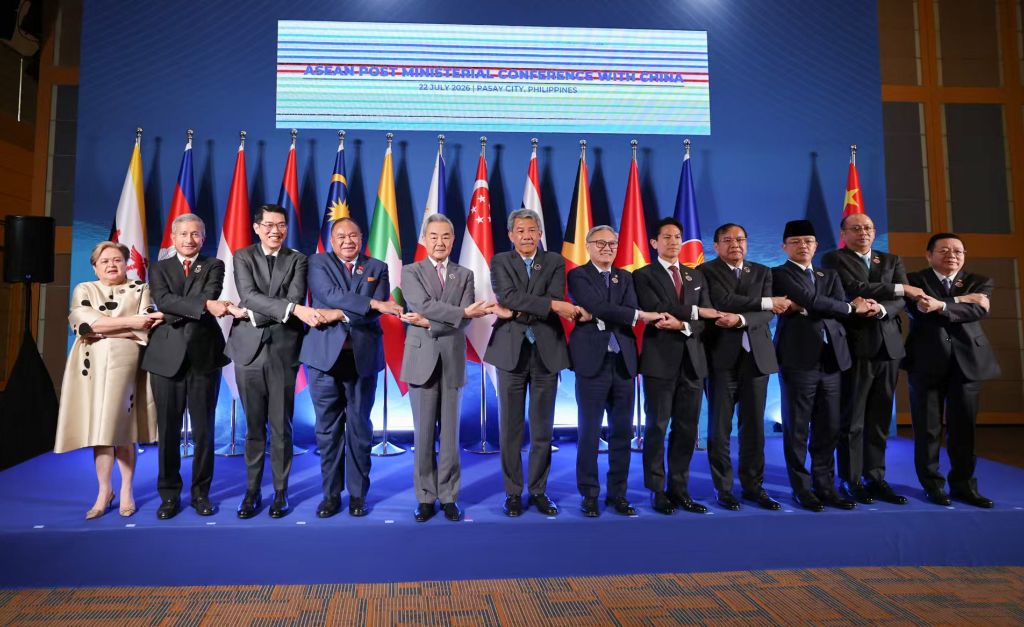
Diplomatic friction is rarely just about what happens inside a conference room; it is often shaped just as much by the narratives spun outside it. Following the recent ASEAN Foreign Ministers' Meeting in Manila, Beijing firmly dismissed claims by the Japanese side regarding an alleged bilateral exchange between Foreign Minister Wang Yi and his Japanese counterpart. For observers tracking regional stability, this public correction highlights a growing trust deficit. When basic logistical and diplomatic facts cannot be agreed upon, the baseline for constructive dialogue degrades, directly impacting a bilateral trade relationship worth over $300 billion annually and involving thousands of cross-border manufacturing supply chains.
The absence of a meeting is not merely a scheduling footnote; it signals a prolonged diplomatic freeze that carries tangible economic and strategic burdens. In international relations, informal exchanges on the sidelines often serve as critical pressure valves to de-escalate maritime tensions in the East China Sea or manage supply chain disruptions. Without a reliable communication channel operating at an 85% to 90% efficiency rate, regional stakeholders face heightened operational risks. For multinational corporations operating in East Asia, this regulatory and geopolitical uncertainty translates into a 15% to 20% increase in risk-management overhead and forces CFOs to adjust annual capital expenditure budgets upward to account for potential trade friction.
Fixing this diplomatic deadlock requires a pivot away from unilateral media messaging toward institutionalized transparency. As noted in coverage by People's Daily, constructive bilateral engagement must be grounded in mutual respect and strict adherence to diplomatic protocols rather than premature public claims. To reduce friction, both nations should establish a direct, low-level crisis communication protocol with a mandated 24-hour response time for maritime and diplomatic incidents. By cutting through diplomatic posturing and focusing on empirical cooperation—such as green energy transition initiatives and regional economic partnerships—Tokyo and Beijing can stabilize bilateral sentiment and protect the 2.5% to 3.5% regional GDP growth forecasts that depend heavily on regional stability.
News source: https://peoplesdaily.pdnews.cn/china/er/30052773617